
Restless Legs Syndrome (RLS) is characterized by an uncontrollable urge to move the legs, often accompanied by uncomfortable sensations.
Couples Sleep Project - Better Sleep for a Stronger Relationship
Below is an edited version, please download the PDF for full content.

By Kirsty & Wayne, Co-Founders & Inventors of Sleeparate
Sleep is one of the most important factors in maintaining health, happiness, and a strong relationship. Yet, many couples struggle with sleep disturbances caused by snoring, different sleep schedules, or restless movement—leading to frustration, separate bedrooms, and even strain in their relationship.
The Couples Sleep Project is not just about fixing sleep problems; it’s about working together to create a solution that strengthens your bond. Instead of a “band-aid fix,” this approach helps couples build a sustainable, healthy sleep environment that works for both partners—so you can continue to sleep together and grow as a couple.
Let’s turn better sleep into a shared journey for deeper connection, better rest, and a happier future.
The Couple’s Sleep Challenge
For generations, sleeping together has been considered a symbol of intimacy and connection. But science tells us that every person has unique sleep needs, and forcing a “one-size-fits-all” approach can lead to resentment, exhaustion, and long-term frustration.
Many couples struggle with:
- Snoring and breathing disruptions
- Different sleep schedules (early risers vs. night owls)
- Tossing, turning, or sleep movement disturbances
- Body temperature differences
- Light and noise sensitivity
Instead of sleeping apart, what if you and your partner could work together to create a sleep setup that meets both your needs?
That’s what the Couples Sleep Project is all about—finding real, lasting solutions that allow you to sleep better together.
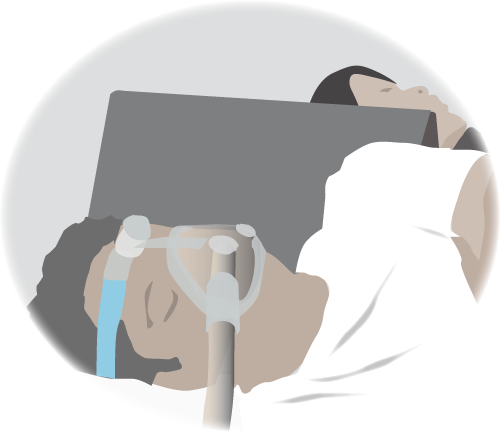
Understanding Your Partner’s Sleep Needs
A key step in this project is communication. Many couples don’t talk about their sleep struggles until they reach a breaking point. Instead of waiting until exhaustion sets in, set aside time to discuss these questions:
- What are my biggest sleep struggles
(e.g., waking up to noise, snoring, restlessness, light sensitivity) - What is one thing my partner does that disrupts my sleep?
(e.g., moving a lot, snoring, getting up frequently) - What solutions have we tried before? Did they work?
- How can we support each other in getting better sleep? (e.g., adjusting bedtime routines, using a sleep barrier, trying earplugs, creating a better bedroom environment)
Once you understand each other’s needs, you can start making changes together instead of working against each other.
Sleep Hygiene for Couples – A Shared Routine
Good sleep habits aren’t just about what you do—they should be something you and your partner work on together.
Here’s how to create a shared nighttime routine for better sleep and stronger connection:
- Establish a Consistent Bedtime – Try to go to bed at the same time to sync your sleep patterns.
- Reduce Blue Light Exposure – Turn off screens at least 30 minutes before bed to allow your body to wind down naturally.
- Create a Wind-Down Ritual – Whether it’s reading, light stretching, or listening to calming music, find an activity you both enjoy before bed.
- Limit Heavy Meals & Caffeine – Eating too late or having caffeine after 2 PM can make falling asleep harder.
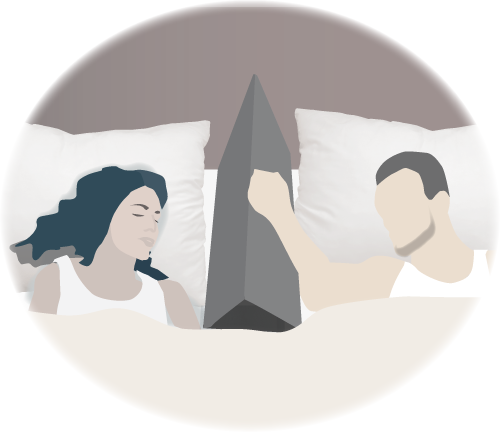
- Use a Bed Divider if Needed – A sleep barrier like Sleeparate provides a gentle solution for reducing sleep disturbances without needing separate beds.
Snoring & Sleep Disturbances – Finding a Solution Together
Snoring is one of the biggest relationship sleep challenges. Instead of suffering in silence (or moving to another room), here are practical solutions you can try as a team:
- Encourage Side Sleeping
Back sleeping often worsens snoring. Gently encourage your partner to sleep on their side by using pillows or a towel to limit rolling. - Observe Food & Alcohol Triggers
Some foods—like ice cream, cheese, or milk, alcohol, and heavy or spicy/cold treats or meals before bed – can worsen snoring. Keep a food diary for a week to see if certain foods make the problem worse. - Use a Sleep Barrier
A bed divider creates gentle separation while still allowing you to sleep together. It can help reduce sound, movement, and airflow disturbances. - Try nasal or throat remedies – Sometimes, snoring is caused by nasal congestion or throat relaxation. Using a saline spray, nasal strips, or even a humidifier in the bedroom can help open up the airways.
- Herbal sleep supplement:
Consult a therapist or visit a store for guidance. - Try White Noise or Earplugs
If noise is an issue, white noise machines or comfortable earplugs can help mask snoring sounds.
Creating a Couple-Friendly Sleep Space
Your bedroom should feel like a calm, peaceful retreat—not a battleground for sleep struggles. Here’s how to design a zen sleep environment that works for both of you:
- Set the Right Temperature
Most people sleep best at 60-67°F (15-19°C). If one of you prefers it warmer or cooler, try layered blankets so each person can adjust. - Keep It Dark & Quiet
Use blackout curtains to block outside light and consider a white noise machine if external sounds are disruptive. - Upgrade Your Mattress & Pillows
If you’re constantly waking up uncomfortable, it might be time to invest in a mattress that suits both your needs. Some couples benefit from split mattresses with different firmness levels. - Avoid Screens in the Bedroom
Consider making your bedroom a no-tech zone to promote relaxation and connection.
The Role of Nutrition & Lifestyle in Sleep
Your daily habits impact your sleep more than you might realize. Here are key lifestyle changes to make together:

Eat Sleep-Friendly Foods
- Magnesium-rich foods (bananas, almonds) help muscles relax
- Herbal teas (chamomile, valerian root) promote calmness
- Whole grains help regulate blood sugar for steady sleep

Avoid Sleep Disruptors
-
- Dairy & alcohol can worsen snoring
- Caffeine after 2 PM can keep you awake
- Spicy/cold foods & heavy meals cause indigestion at night
The Sleep Project Check-In
After trying these changes, take time to check in with each other.
Ask:
- Are we both sleeping better?
- Which solutions worked best for us?
- Is there anything we need to adjust?
Improving sleep is a journey—it may take trial and error to find what works best. The key is to keep communicating and problem-solving together.
Conclusion: Sleeping Better, Growing Stronger
Better sleep isn’t just about feeling more rested—it’s about strengthening your relationship. By taking on the Couples Sleep Project together, you’re not just fixing a sleep problem—you’re building a healthier, happier future.
Start tonight. Work together. Sleep better. Stay connected.
Sleep better tonight. Shop Sleeparate Bed Dividers

Disclaimer: Consider medical advice if needed – If snoring is loud, persistent, or affecting breathing, it may be a sign of sleep apnea or another condition. In such cases, it’s worth discussing with a doctor or sleep specialist.